Racket Rivals Ranked Guide: Win More With Smart Plays
Use this Racket Rivals ranked guide to improve positioning, mix up shots, coordinate passes, and make smarter ability plays in competitive Roblox matches.
Jump to
How to Win More Ranked Matches
Make opponents defend more than the same power shot every rally. This Racket Rivals ranked guide focuses on controlled returns, wall angles, coordinated passes, and awakening timing to help you create harder shots to receive. Start by protecting your side of the court, then vary where and when you attack.
Ranked launched on September 27, 2025, with Season 1 and rewards. Ranked 1v1 followed on October 25, 2025, alongside win streaks and leaderboards. Approach singles and team matches differently: in singles, manage your own coverage; in doubles, establish who takes each side and who receives the middle.
Official page: Racket Rivals (roblox.com)
Get Comfortable With the Core Controls
Keep these keyboard and mouse inputs ready before working on more complicated plays:
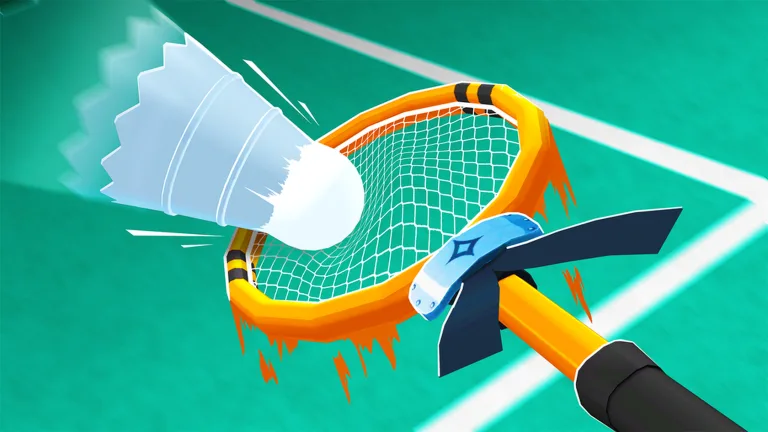 Image: Roblox / ⨯ Small World Games
- Swing: Left Click.
- Power Swing: Hold Left Click.
- Set: E.
- Dash: Q.
- Ability: 1.
- Awakening: 2.
Practice separating a quick swing from a held power swing. Charging every return makes your timing easier to anticipate, while tapping gives you another way to attack.
Keep your set input distinct from your swing, too. When a rally calls for a pass, deliberately use the set rather than rushing into another shot.
Mix Tap Shots With Charged Swings
Holding your swing adds power, but power alone does not make a return difficult to defend. Mix in tap shots to change your timing and place shorter returns near the net.
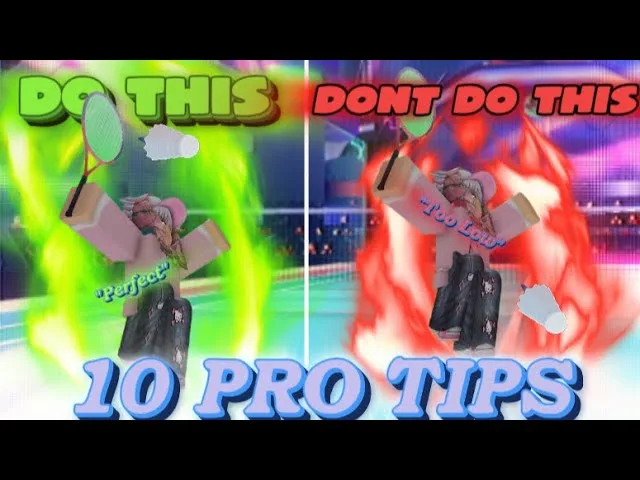
When receiving a teammate’s pass, turn shift lock off to aim, pick your opening, and tap the swing button. Avoid holding the button through every setup.
Use that variation with a purpose:
- Against defenders waiting deep: Try a shorter tap shot toward the net.
- After repeated charged swings: Change the release timing with a tap.
- When receiving a pass: Look for an open landing spot before committing to the return.
The useful habit is choosing the shot after reading the defense. Charging automatically removes that choice.
Use Walls to Attack Awkward Spaces
Aim returns against the wall to create angles that drop near the net. These shots can place the shuttle between defenders, forcing them to decide who should receive it.
In doubles, target the space where your opponents’ coverage meets. A wall return into that gap can be awkward even when both players are close enough to react.
Defend the same situation with clear ownership. Decide who takes a short middle return instead of having both teammates chase it.
Mix wall shots with direct returns. Repeating one angle gives opponents a pattern to follow; alternating your placement makes them cover more options.
Build Your Doubles Game Around Passing
Pick a side with your teammate and defend that area. When receiving, direct the shuttle toward the corner of your teammate’s section to set up a pass.
Once that basic exchange feels comfortable, alternate between side passes and middle passes. A middle setup gives the receiver access to attacks toward either side, plus a short return through the center.
Tell your teammate before changing the setup. A surprise middle pass is useful only if your partner is ready for it.
Use a simple arrangement:
- Agree on your starting sides.
- Establish who receives shots between you.
- Pass toward your teammate’s area when defending.
- Mix in middle setups once both players expect them.
Queue with a familiar partner when possible. Knowing their preferred side, pass height, and ability timing makes coordinated plays easier. With a new teammate, establish those basics before attempting more elaborate exchanges.
Use Awakenings to Answer Freeze
When an opponent freezes the shuttle low over the floor, use an awakening to let the freeze timer run out during its animation. Time the activation around that threatened landing rather than spending it immediately on an ordinary exchange.
Ground slam adds another way to disrupt the return: it slows opponents and knocks them into the air. Use that displacement when moving a defender away from the shuttle would create an opening.
Keep the follow-up in mind. Breaking the freeze creates an opportunity, but your shot placement still matters.
Curve shot offers another attacking option when you want to challenge the opponent’s read of the return. Choose your awakening around the play you intend to make, and practice its timing alongside your regular shots.
Give Defensive Abilities a Clear Job
Senu’s defensive bomb can cover half the court without consuming your set. Use that coverage to support your positioning while keeping the set available for the next exchange.
In team matches, coordinate the covered area with your partner. Defend the remaining space instead of both moving toward the area already protected by the ability.
In singles, pay closer attention to what you can reach after committing an ability. Without a teammate to receive the next shot, build your attack around your own follow-up position. Mix direct shots, wall angles, and shorter returns so you are not relying on one ability to win every rally.
Continue with
 Racket Rivals Ranks: A Guide to Ranked 1v1 MatchesExplore Racket Rivals ranks, ranked 1v1 play, and the controls that matter in a rally. Practice swings, sets, and abilities before your next solo match.
More in Ranked
Racket Rivals How To 1v1 Friends: Singles Play Guide
Racket Rivals how to 1v1 friends: learn what Ranked 1v1 offers, review PC controls, and practice positioning, shot timing, and power for singles matches.
Racket Rivals Matchmaking Not Working? Queue Guide
Racket Rivals matchmaking not working? Learn what queue messages mean, how parties enter matches, and why a teleport failure can keep you stuck in the hub.
Racket Rivals Teams: Ranked Positioning and Passing
Build stronger Racket Rivals teams with smarter positioning, coordinated passes, shot selection, and ability timing for ranked duos and trios matches.
Join the community
Official channels for news, updates and player help: