Racket Rivals How to Get Better: Skills That Win Games
Racket Rivals how to get better: learn shot timing, air dashes, wall shots, passing, and ability use to win rallies and build stronger teamwork in ranked.
Jump to
How to Get Better at Racket Rivals
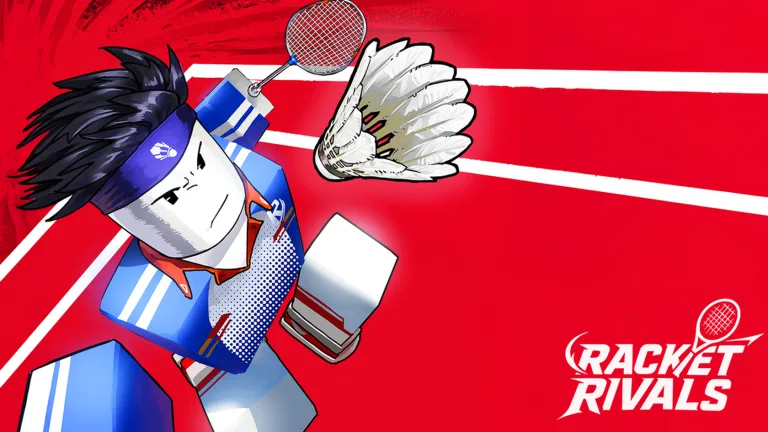
Searching for “Racket Rivals how to get better” after another match full of missed returns? Start with positioning, controlled dashes, and deliberate shots so you can keep rallies alive and create openings. Passing, changing your shot timing, and using your abilities give you more ways to score than repeatedly swinging at everything.
Racket Rivals combines elements of badminton, tennis, squash, and volleyball with spirits and awakenings. Learn these core PC controls before adding advanced movement:
| Action | PC control |
|---|---|
| Swing | Left Click |
| Power Swing | Hold Left Click |
| Set | E |
| Dash | Q |
| Ability | 1 |
| Awakening | 2 |
Work on returning the shuttle cleanly before trying to finish every rally. Once you can receive without panicking, start choosing where your next touch should go.
Official page: Racket Rivals (roblox.com)
Cover Your Area Instead of Chasing Every Shot
In doubles, agree on a side with your teammate. Defend that section and pass toward your teammate’s area when they have room to attack. Chasing the same shuttle leaves another part of the court exposed.
Use the middle line as a starting reference within your coverage area, then dash toward the incoming shot. Avoid standing so close to your teammate that both of you react to every return.
Before a match, settle a few simple responsibilities:
- Choose who covers each side.
- Call for the shuttle when coverage overlaps.
- Tell your teammate when you want a pass through the middle.
- Learn where your teammate prefers to receive a setup.
Playing with a regular teammate makes those decisions easier. When queuing alone, establish your side early and watch how your teammate passes before attempting complicated combinations.
Mix Charged Shots, Soft Hits, and Late Contact
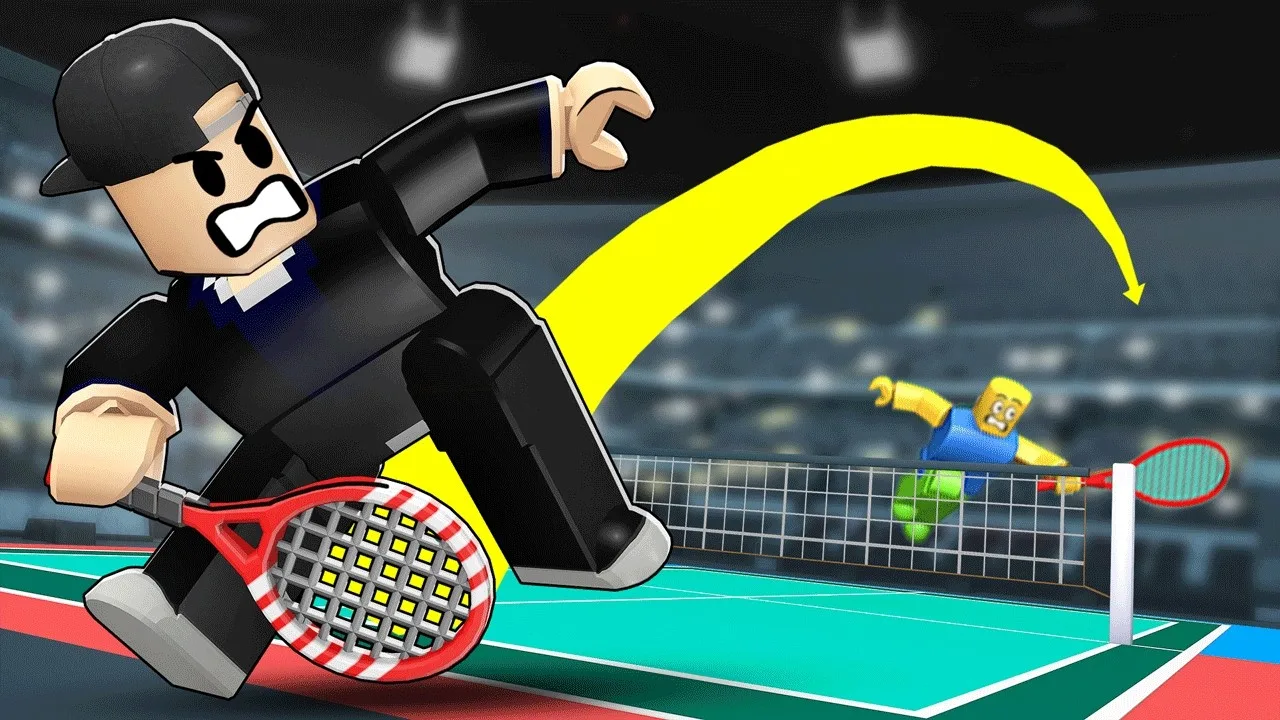
Holding Left Click charges a power swing, but extra power is only one option. Charge when you have time to aim and want a forceful return. Near the net, practice tapping your swing for a softer shot rather than charging automatically.
Build variety around three choices:
- Charged shots: Take time to aim toward a corner or wall.
- Soft shots: Use less power near the net to place the shuttle short.
- Delayed shots: Wait longer after a high setup before committing to your hit.
For delayed contact, practice jumping later and striking as the shuttle drops closer to your body. Start with a straightforward shot, then try a cross-court angle once you can make contact consistently. Delaying only helps when you still land the hit.
Use the Walls to Change the Return Angle
Aim shots into the side walls to create ricochets. Wall shots can bring the shuttle down near the net or send it toward the space between defenders, forcing opponents to adjust their coverage.
Alternate wall shots with straight returns. After drawing a defender toward the side, look for space elsewhere instead of repeating the same bounce.
Apply that variety to serving, too. Change your placement rather than trying to force an ace with every serve.
Turn Your Touch Into a Better Shot for a Teammate
Setting gives your teammate extra time to prepare an attack. Use E when the rally becomes rushed or when a teammate needs a higher setup.
Your set has a short cooldown, so choose the moment carefully. Spending it on an easy return can leave it unavailable when a difficult shot or ability arrives.
When receiving, look beyond simply sending the shuttle over the net:
- Pass toward your teammate’s side to move the attack across the court.
- Mix in middle setups so the attacker can choose either direction.
- Give your teammate room to approach the shuttle.
- Communicate before changing your usual passing pattern.
A middle setup opens different angles from a setup near the wall. Alternate between them to keep defenders from settling into the same positions.
Use Air Dashes for Reach and Dash Gliding for Timing
Air dashes cover more distance than ground dashes. Jump before dashing when you need extra reach, then concentrate on lining up your return.
Avoid repeatedly dashing without a destination. Use the movement to reach the shuttle or recover your position; uncontrolled movement makes your next touch harder to judge.
Practice Dash Gliding Near the Net
Dash gliding uses repeated airborne dashes against a wall or the net to extend your airtime. It lets you delay an attack while staying close to the action.
Practice the sequence before adding a teammate’s pass:
- Move beside a wall or close to the net.
- Jump.
- Repeatedly press your dash input while against the surface.
- Practice maintaining the glide while holding your swing.
- Add a pass and choose when to release the shot.
Use the extra airtime to vary your timing or select a wall angle. Keep a simpler attack available, too: gliding creates an opportunity, but you still need accurate contact and placement.
Use Abilities Before the Point Slips Away
Your spirit ability returns after each point. Look for a useful moment during the rally instead of repeatedly finishing points with it unused.
Coordinate with your teammate so you do not both spend defensive abilities on the same return. Track your set availability alongside your spirit ability, especially when facing attacks that require a specific response.
Against freeze, practice timing an awakening while the shuttle is suspended. The freeze timer continues during awakenings, allowing the effect to expire during the animation. When the shuttle is already low, that timing can put pressure on the defending team.
Ground slam adds displacement by knocking opponents into the air and slowing their movement. Time it around the shuttle’s position rather than activating it as soon as it becomes available.
Practice With a Specific Goal and Collect Task Rewards
Choose a skill to focus on during your next matches: clean receiving, controlled air dashes, middle passes, or softer net shots. Add another technique once you can use the current one without losing track of the rally.
After a lost point, identify the decision that created the problem:
- If both teammates chased, clarify coverage.
- If you arrived late, practice your jump-and-dash timing.
- If your attacks kept coming back, change placement or power.
- If a difficult return caught you without a set, reconsider when you spent it.
Complete tasks and spirit mastery objectives alongside that practice. Their rewards include yen and awakening spins, letting you work on progression while developing the movement and teamwork skills you can use throughout a match.
Continue with
 Racket Rivals Pay to Win: What Robux Actually BuysIs Racket Rivals pay to win? See what Robux buys, how free racket unlocks work, and which match habits help you compete without spending money on the game.
More in Guide
Racket Rivals Controls: PC and PS4/PS5 Button Guide
Learn Racket Rivals controls for PC, PS4, and PS5, including charged swings, sets, dashes, and camera tips to help you reach the shuttle and win rallies.
Racket Rivals Guide: Controls, Shots, and Ranked Tips
Use this Racket Rivals guide to learn controls, smarter shots, passing, and court positioning, then put your spirits and awakenings to work in ranked play.
Continue exploring
Racket Rivals Discord: Community, Polls & Giveaways
Find the Racket Rivals Discord community, talk strategy, join polls, and learn about giveaways, plus how to connect with Small World Games through Roblox.
Racket Rivals Game Passes: Prices and Booth Options
Compare Racket Rivals game passes, including the 99 Robux trading space upgrade and 299 Robux booths. See whether Battlepass 1 is available before buying.
Join the community
Official channels for news, updates and player help: